What did the client need
The Challenge
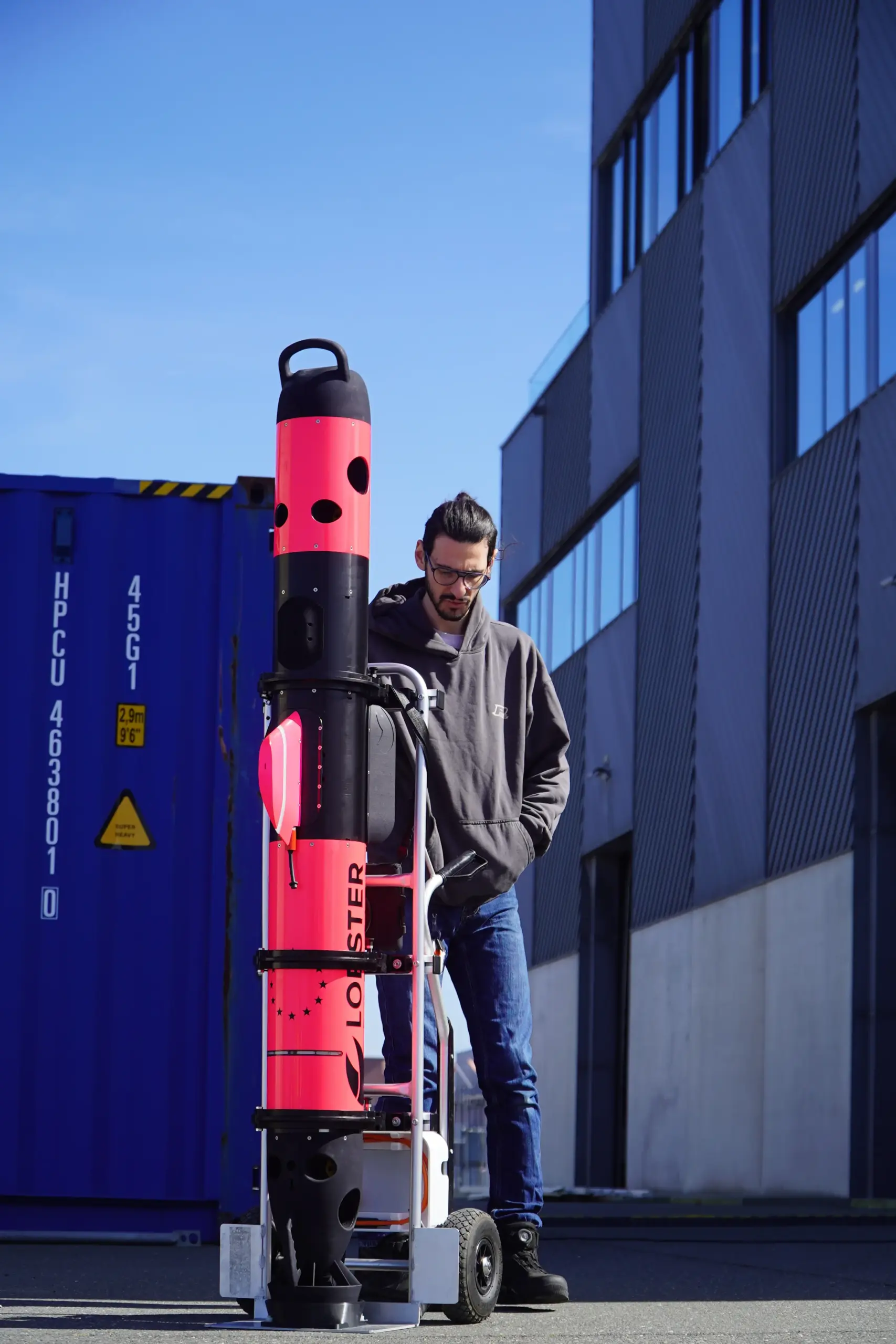
Lobster builds autonomous underwater drones — “pink torpedoes” — that glide above the seabed and turn it into detailed photographic maps. Underwater, power is the hard part: everything has to stay dry, endurance decides how much seabed you cover per dive, and the pack has to be serviceable offshore. More runtime normally means a bigger battery — and a bigger drone is exactly what they didn’t want.
What did the client need
The Solution
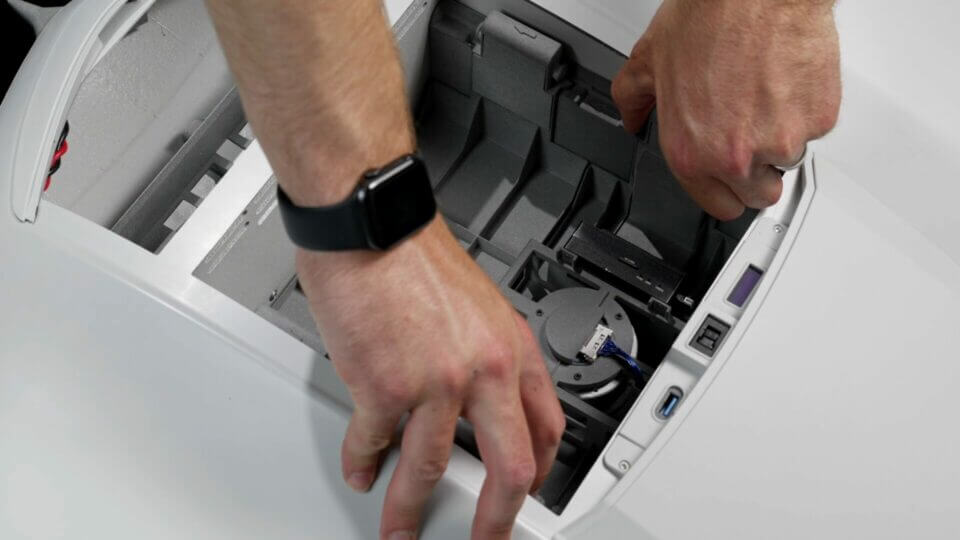
We worked with Lobster’s engineers from the first conversation: proposing cell options, going into the design details, and giving feedback until the pack fit their platform. The result is a compact, energy-dense pack built on self-fused cells that’s easy to maintain in the field — from a Dutch supplier that understands a high energy density sea system.
What did the client need
The Result
~60% more battery life than their previous solution, with no real increase in drone size. Longer missions, more seabed per launch, easier servicing, and a battery partner in the same time zone.
It’s always great to have a local supplier that understands the challenges of creating a high energy dense sea system.
Client info
About lobster robotics
Delft-based scale-up, spun out of TU Delft, building autonomous underwater drones that map the seabed in high resolution — used for offshore inspection, ecological monitoring and seabed security, and selected for NATO’s DIANA program.